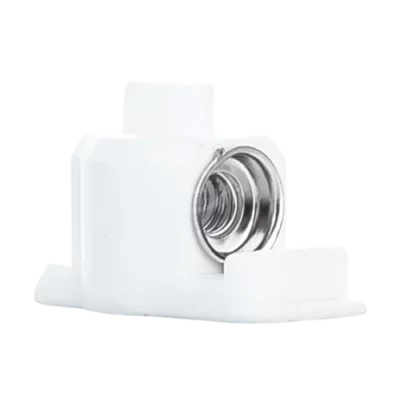

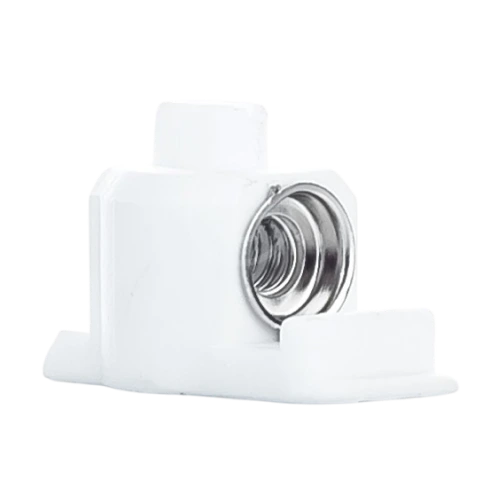
How long does the coil last?
In theory, indefinitely. A coil that is properly soaked before every use, in a device stored dry and used with a normally operated bellows, does not wear out mechanically. A beekeeper running one or two hives can keep the same coil for a very long time.
In practice, vapour density drops gradually as vaporisation residue builds up on the filament. We therefore recommend replacing it two to three times a year to keep the vapour at its best. This is maintenance, not a failure.
Signs that it is time.
Weak vapour. The vapour is thinner despite a charged battery and a full reservoir.
Altered smell. An unusual hot or burnt note.
Slow response. The vapour takes longer to arrive after you press the bellows.
A new coil means an Apisolis that performs exactly as it did on day one.
Installation guide
- Detach the reservoir from the device.
- Remove the used coil.
- Soak the new coil in the formula.
- Fit the soaked coil in place.
- Refit the reservoir.
No tools required. The operation takes under a minute.
Why the Apisolis is repairable
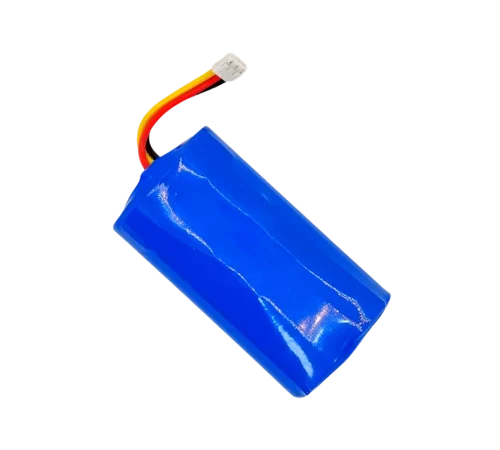
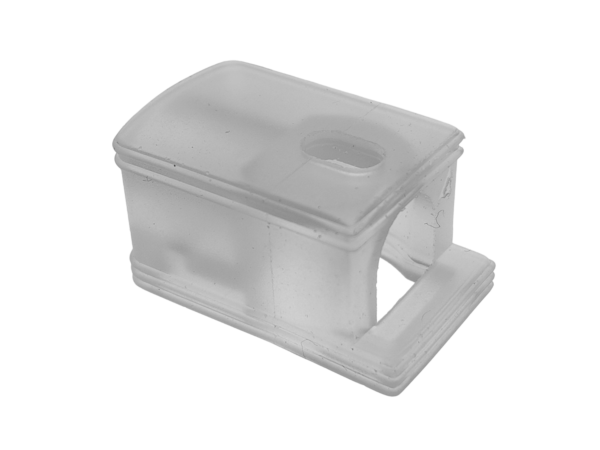
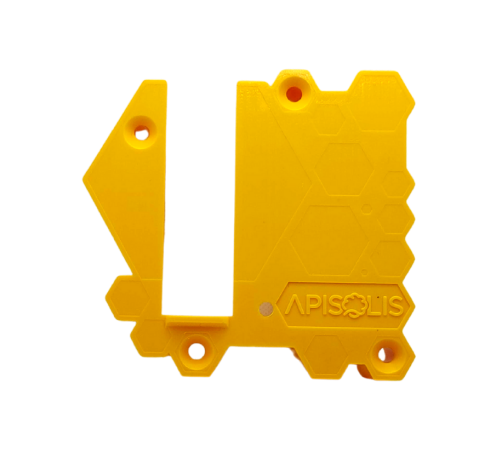
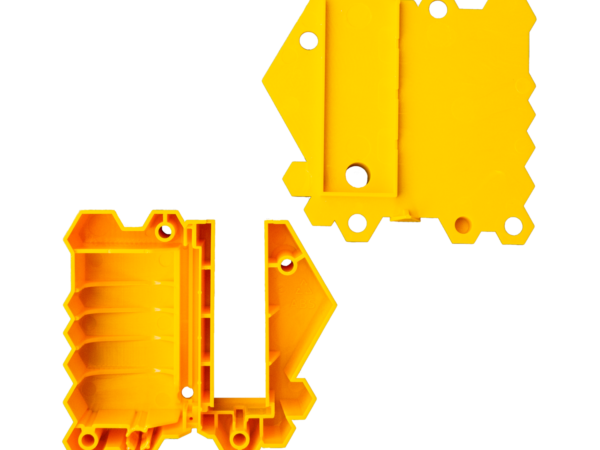
The coil is one part among many. Battery, bellows, circuit board and shell are all available through after sales support. This is what makes the Apisolis a durable tool rather than disposable electronics, and it is a deliberate design choice.
FAQ
Why does my coil get dirty? That is the natural residue left by vaporising biosourced active ingredients. It is normal and unavoidable in the long run.
Can I clean it? No. Scraping the coil risks damaging the heating filament. Replacement is the only reliable answer, and the only safe one.
How many coils should I keep in stock? Two to three per year per device, on a normal workload. Beekeepers running several dozen hives generally keep a spare in the vehicle, since a worn coil ends a working session.